

Compare an EOR and Korean subsidiary for hiring in Korea, including control, cost, compliance, payroll and when to establish your own entity.
Category Archives: Doing Business in Korea

14
Oct
Oct
Explore seven practical reasons foreign companies invest in South Korea, including its advanced industries, skilled workforce, infrastructure and foreign investment framework.

13
Oct
Oct
Seven practical differences Japanese headquarters should understand when managing a Korean subsidiary, branch, payroll and local compliance.
Case Studies, Doing Business in Korea
Case Study: Correcting a Korea Market-Entry Structure That Did Not Fit the Business

30
Sep
Sep
How KTE reviewed a Korea branch structure that did not match the client’s actual operating model, identified priority issues and helped stabilize local compliance and administration.
Doing Business in Korea
Korea Bookkeeping for Foreign Companies: Monthly Closing and HQ Reporting Guide

27
Sep
Sep
Korea bookkeeping for foreign companies involves more than recording transactions. This guide explains monthly closing, supporting documents, tax coordination and English reporting for overseas headquarters.
Case Studies, Doing Business in Korea
Case Study: Establishing a Korean Subsidiary Under Enhanced KYC and UBO Review
24
Sep
Sep
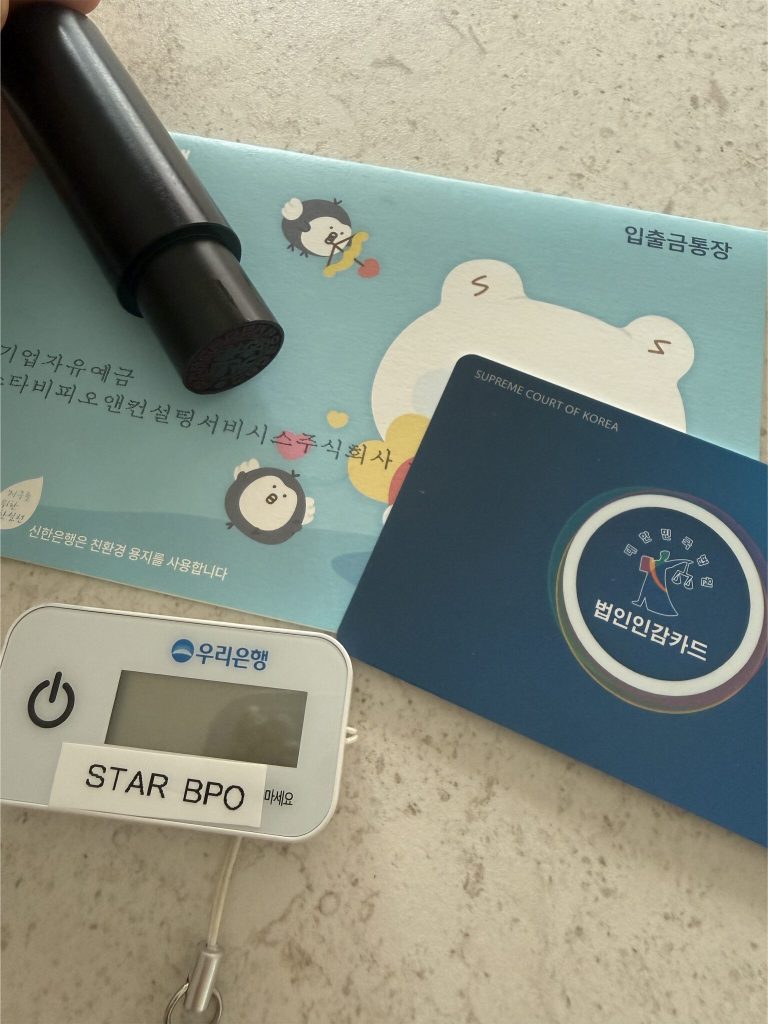
How STAR TAX & BPO helped an overseas company establish a Korean subsidiary, manage enhanced KYC and UBO checks, address director privacy and complete its corporate banking setup.
Doing Business in Korea, Case Studies, Tax in Korea
Buying Shares in a Korean Private Company: Valuation and Tax Risks

31
Jul
Jul
Buying shares in a small Korean private company can trigger valuation, tax and reporting obligations. Learn what documents foreign investors should prepare.

20
Jul
Jul
Learn how to establish an LLC in Korea, including Yuhan Hoesa ownership, capital, governance, banking and foreign-investment registration.
20
Feb
Feb
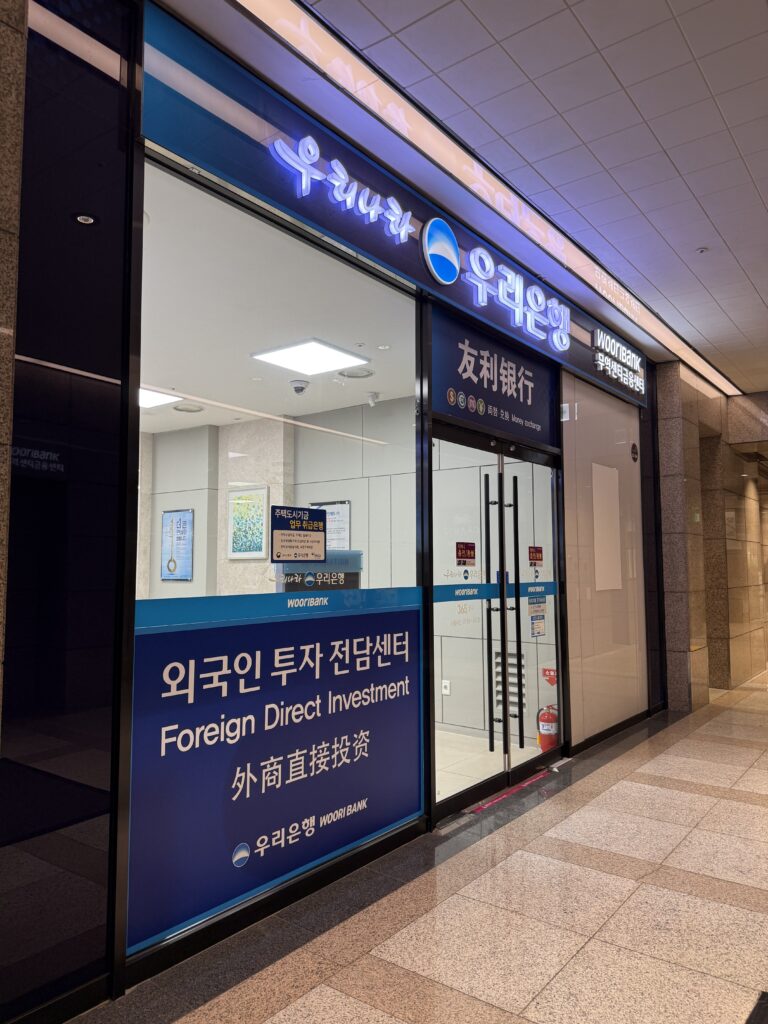
Learn how to open a corporate bank account in Korea, including required documents, KYC, beneficial-owner checks and transaction-limit issues.
Set up a company in Korea with confidence. This guide explains Korean subsidiary and branch registration, payroll services, tax compliance, and labor law.
Pricing Approach, Audit in Korea, Required Documents for Company Set-up
Company Registration in Korea: Incorporation Fees, Legal Process & Setup Guide

14
Mar
Mar
Looking to start a business in Korea? Our experts provide complete support for company registration in Korea, including fees, legal process, and tax compliance. Get fast, reliable, and fully compliant incorporation services.
Pricing Approach, Accounting and Bookkeeping in Korea, Doing Business in Korea
Bookkeeping Services in Korea | Expert Payroll & Tax Support for Foreign Corporations

14
Mar
Mar
Discover Korean bookkeeping and payroll services tailored for foreign corporations. Ensure tax compliance, accurate reporting, and bilingual support.

18
Nov
Nov
South Korea has 16 public holidays in 2025, offering ample opportunities for rest and relaxation. The holidays range from national celebrations to traditional festivals. Let’s dive into the list! 2025 Public Holidays New Year’s Day: Wednesday, January 1 The first day of the year is celebrated nationwide as a time for reflection and renewal. […]
Establishing a Limited Liability Company (LLC) in Korea is a common choice for foreign investors due to its less stringent disclosure obligations and restricted share trading. Below is a concise guide outlining the necessary documents and the responsible parties for each step in the process when foreign investors are injecting capital. Initial Requirements Provide Office […]
In Korea, every business must possess an e-certificate (공인인증서). This electronic identification is essential for interactions with governmental websites, banks, and other entities for company registration verifications. Typically, the bank provides the e-certificate when a company opens a bank account. Below, we’ll explain how to download (you first need to “import” the e-certificate into your […]
- 1
- 2